
The silent revolutionaries
Babies don't create public policy

I am traveling this week and don’t have time to write a serious post. Instead, I’ll provide a take that is probably stating the obvious, but I don’t recall reading elsewhere. And since it’s fairly short I’ll skip my normal practice and deliver two free posts in a row. First, a few facts:
The decades after WWII saw many cultural, political and economic changes. The birth control pill and the loosening of divorce laws. Feminism and civil rights. Rock and roll and drugs. Soft on crime policies and a sharply rising crime rate. The end of the gold price peg and soaring inflation. The welfare state and affirmative action. A dramatic expansion of (unfunded) Social Security benefits. Environmentalism and NIMBYism. The most important changes began during the 1960s.
The decades after WWII saw a notable baby boom, generally dated from 1946 to 1964. I was born in 1955, smack dab in the middle of that period. I am a typical baby boomer.
Now I’m going to say something that might be controversial but is obvious when you think about it. I am not personally to blame for all of the cultural, political and economic policy changes of the 1960s.
I say this because I frequently see boomers being blamed for every single ill in modern society. The peak period of change was roughly 1965, sometimes called “the liberal hour”. I was ten years old. Not a single baby boomer was out of their teens. If you wish to blame a generation for all the ills of modern society, please blame the Silent Generation and the Greatest Generation. They got rid of traditional morality and pushed divorce rates much higher. They put Social Security on an unsustainable path. They ended the gold price peg for the dollar. They created affirmative action and NIMBYism. The ended the death penalty. Heck, they even invented rock and roll.
I also see people suggest that boomers are the lucky generation. No, it is smaller generations that are lucky. Big generations face a highly competitive job market. In 1982, I was paid $19,700/year as an assistant professor, at a time when the unemployment rate was 10%. Even in real terms, starting salaries for young Gen X professors had moved far higher by the late 1990s and early 2000s. It was mostly the silent generation and perhaps a very few early boomers that left college and entered a strong job market during the 1960s.
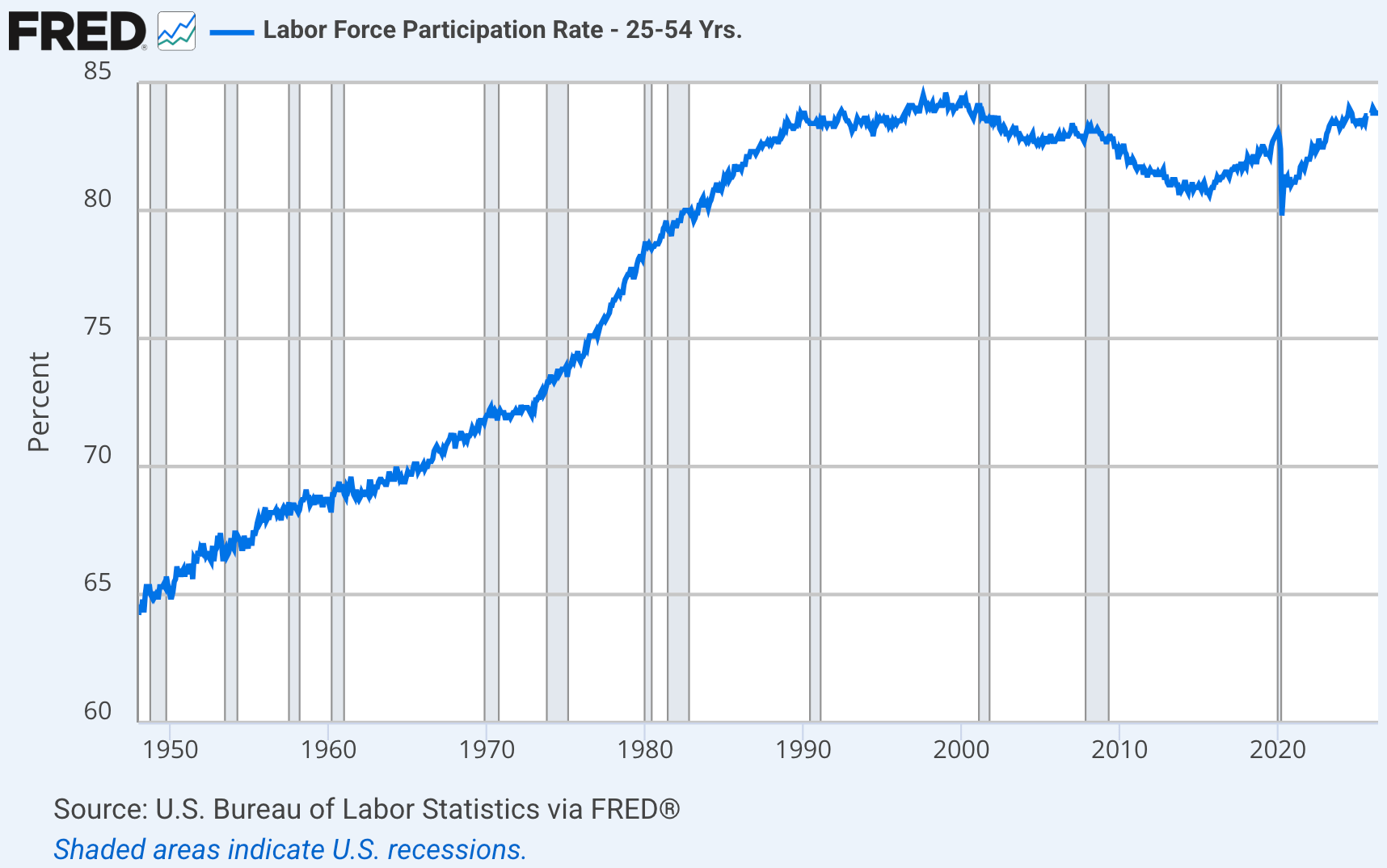
Even worse, my generation entered the job market at a time when the feminist revolution shifted many women from being housewives to career women, so labor force growth was even higher than working age population growth:
Real wages stagnated in the 1970s and 1980s.
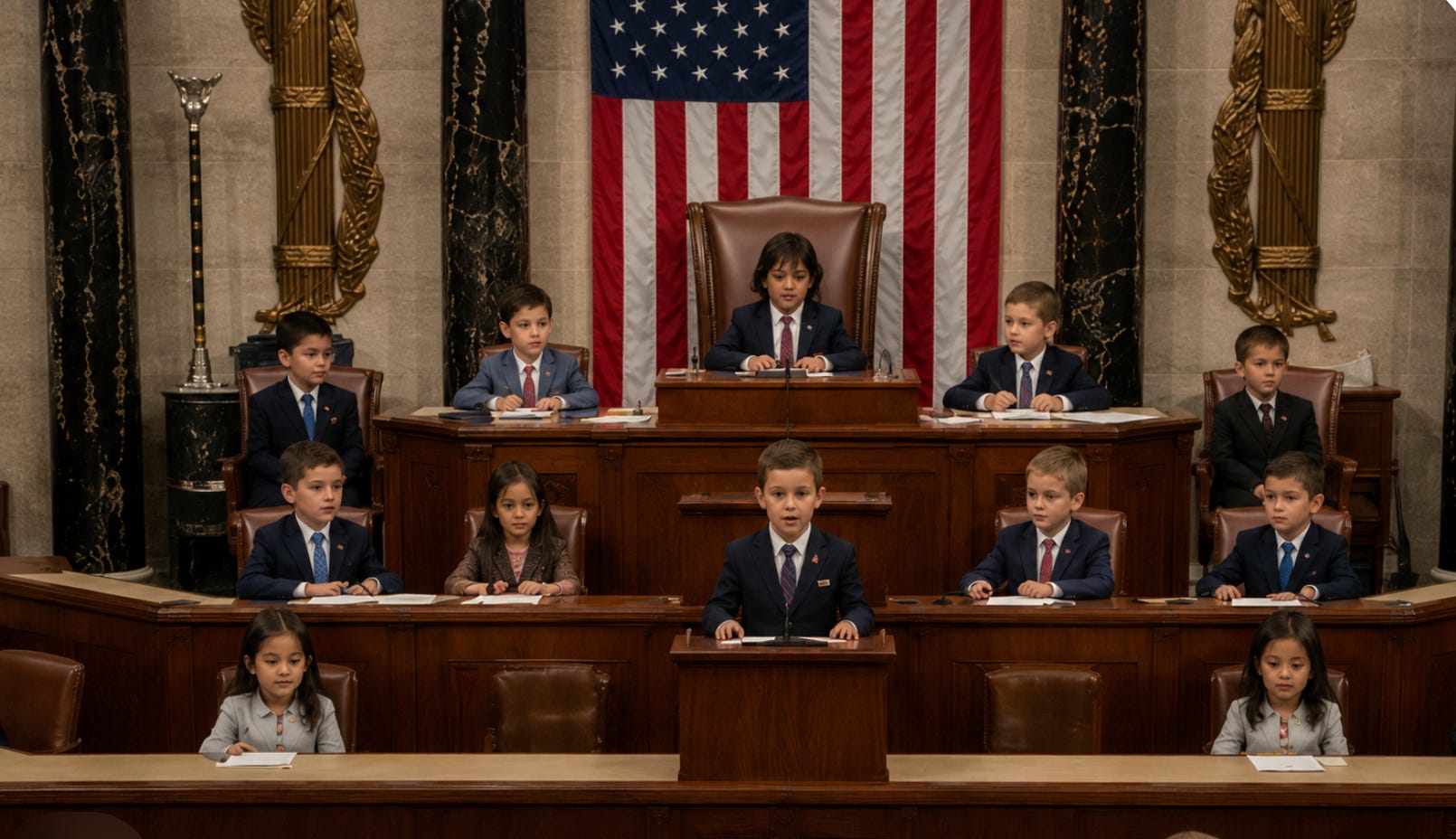
The Supreme Court’s “soft on crime” rulings in the 1960s and early 1970s were not made by boomer justices. The feminist revolution was led by silent generation types like Gloria Steinem. The population control movement was led by Paul Ehrlich, also a member of the silent generation. Martin Luther King was a member of the silent generation. Please don’t assume that things that happened during the baby boom (and even soon after) were caused by baby boomers. Last time I looked, Congress is not composed of young children:
The 1976 election was the first one where I could vote. I recall pundits being surprised by the substantial support for Gerald Ford in college areas, as younger voters were already starting to edge back toward the center. The student radicals of the 1960s were often silent generation members. In my hometown of Madison, the antiwar movement was led by Paul Soglin, who later become mayor. I thought of him as a boomer, but he was from the final year of the silent generation.
In my mind, rock music is associated with boomers. But rock and roll was developed in the mid-1950s, and even the second wave (Beatles, Beach Boys, the Stones, The Who, Dylan, Hendrix, Paul Simon, Lou Reed, etc.) were silent generation people. The film Bob & Carol & Ted & Alice nicely shows how silent generation members led the cultural change of the 1960s. The boomers just followed along.
I’m not saying that younger people should not despise the boomers, but please do so for the right reasons. Hate them for taking credit for innovative sixties pop music that was created by silent generation musicians. Hate them for their current selfishness on issues like NIMBYism and Social Security. Hate them for their hypocrisy—romanticizing their youthful adventures while opposing drug legalization. But please don’t hate us for all the changes that occurred during the 1960s (some of which were good, BTW.)
As an aside, in Where the Music Had To Go, Jim Windolf points out that teenagers at Beatles concerts in 1964 screamed so hysterically that the music could not be heard, while older Dylan fans sat silently listening to acoustic folk music. So the terms “silent” and “boomer” fit these two generations in more ways than one. Windolf says that Dylan fans despised the “teenyboppers”, but does not say what Beatles fans thought of the folkies. Perhaps it was one of those “I don’t think about you at all” situations.
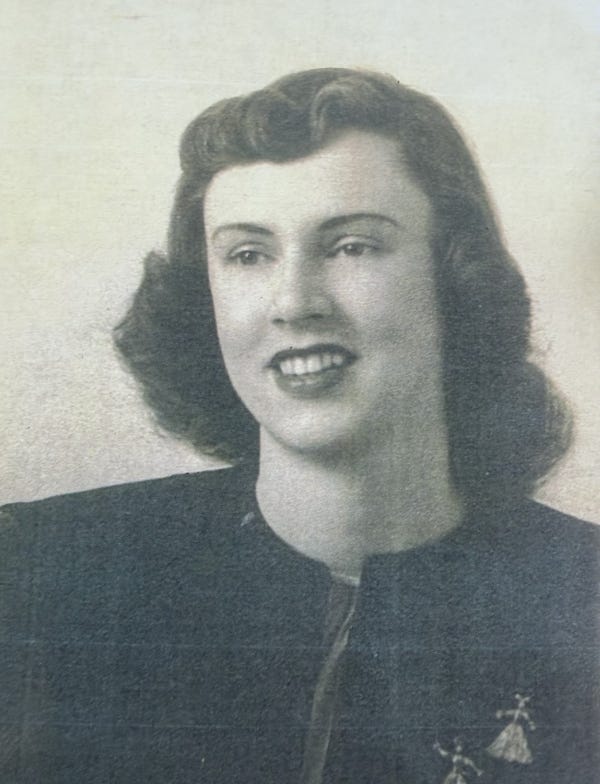
Time is continuous and the relationships between people and events are often not what they seem. Lines between generations are arbitrary. My mother was born June 7, 1926 (six days after another pretty lady), near the end of the Greatest Generation. But she was mostly in high school during WWII, so culturally she’s perhaps a bit like the Silent Generation. When she was a few days old, she was closer in time to the last days of Thomas Jefferson and John Adams (who both died on July 4, 1826) than to her current life. She’s experienced more than 40% of American history. For some reason that fact boggles my mind, as to me she’s sort of timeless, an eternal “mom”.
Happy 100th birthday.
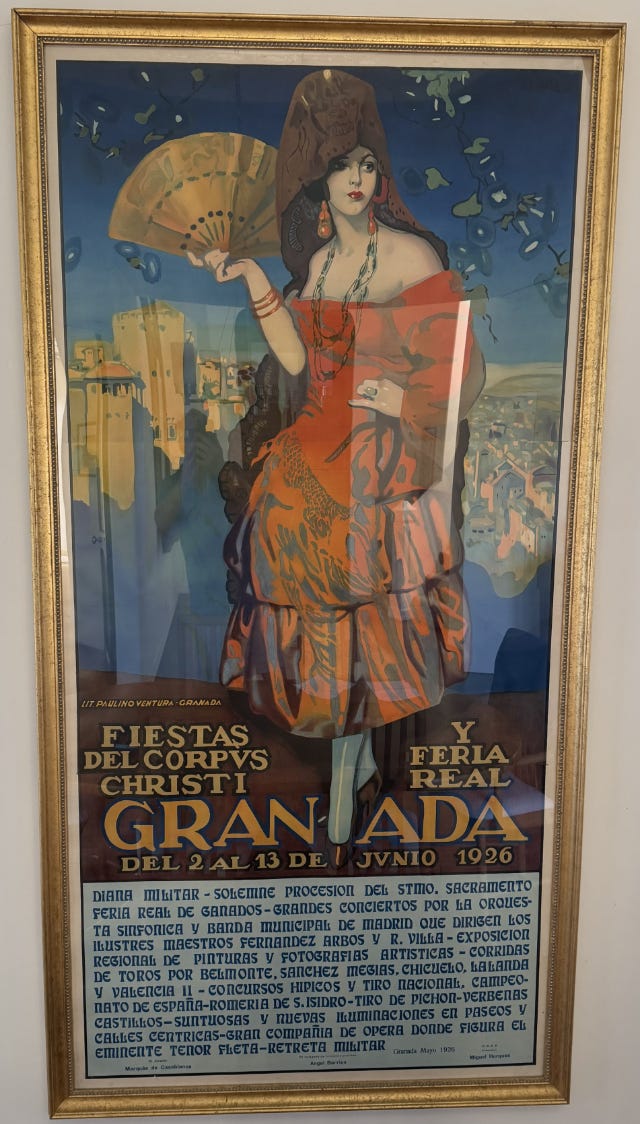
PS. My favorite poster advertises a festival in Granada, Spain. Decades after I bought the poster, I noticed the date. Ever since, 1926 has been my favorite year:
Outstanding post!
You're right. I haven't seen this written anywhere.
Another thought: Someone who kind of did point this out was Billy Joel in "We Didn't Start the Fire."